Electrical Services · Wake Forest, NC
EV Charging at Home in Wake Forest: What Triangle Commuters Should Know
More Wake Forest homeowners are plugging in every night instead of stopping at a charging station. Here's what a home EV charger install actually involves and why it fits so well with a Triangle commute.
Why Wake Forest Homeowners Are Adding EV Chargers
Wake Forest has spent the last decade as one of the fastest-growing towns in the Triangle, and a lot of that growth is commuters — people who work in Raleigh, RTP, or Durham and want a quieter, more affordable town to come home to. That trade-off means longer daily drives, and longer daily drives are exactly where a home EV charger pays for itself: plug in every night, wake up to a full charge, and skip the public charging line entirely.
White's Plumbing & Electrical is a licensed electrical contractor based just up US-1 in Youngsville, and EV charger installation has become one of our more requested electrical services as more Wake Forest driveways and garages start seeing electric and plug-in hybrid vehicles.
Level 1 vs. Level 2: What Actually Fits a Commute
Level 1 (Standard Outlet)
- Plugs into a regular 120-volt household outlet
- Adds roughly 3-5 miles of range per hour
- No electrical work required
- Fine for very short commutes or occasional top-offs
Level 2 (Dedicated Circuit)
- Runs on a 240-volt circuit, like a dryer outlet
- Adds roughly 20-30+ miles of range per hour
- Requires a licensed electrician to install
- What most daily Triangle commuters actually want
A Level 1 cord ships with almost every EV, but for a real daily commute into Raleigh or RTP, it rarely keeps up. Level 2 is the difference between topping off overnight and still needing a public charger mid-week.
What a Home EV Charger Install Involves
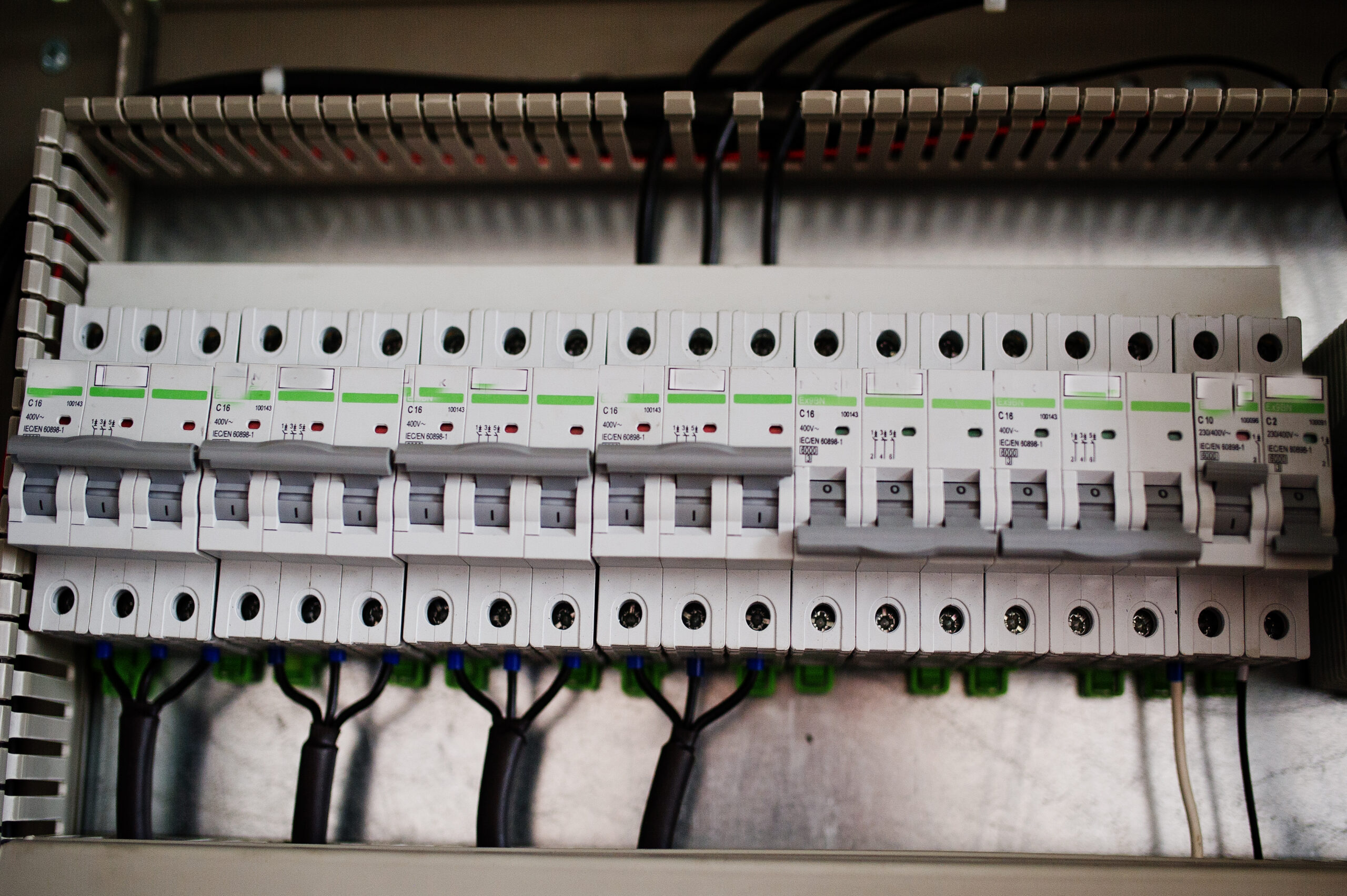
A Level 2 install is straightforward for a licensed electrician, but it isn't a DIY plug-in project. Here's what we check and handle:
- Panel capacity: we confirm your panel has room for a new 240-volt, 40-60 amp circuit without overloading it.
- Dedicated circuit & breaker: the charger gets its own line, sized and protected to code — never shared with another appliance.
- Placement: garage installs are most common and best protect the unit and cable; a driveway or carport install works too with a weatherproof charger.
- Permit & inspection: we pull the permit so the work is documented and inspected, which matters at resale.
- Panel upgrade, if needed: older panels or homes already running a lot of load sometimes need more capacity first — we'll tell you honestly if that's the case before any work starts.
The Commute This Sets You Up For
Most of the Wake Forest EV owners we talk to are running the same routes every day: US-1 south into North Raleigh and downtown, NC-98 over toward Durham, or I-540 out to RTP. Charging overnight means none of those miles cost you a stop at a public station on the way in or the way home.
It's also simpler than most homeowners expect. See our full electrical services page, our electrical panel repair & upgrade page, or check the U.S. Department of Energy's Alternative Fuels Data Center guide to home EV charging for more background on charger levels and equipment.
FAQ
Do I need an electrician to install a home EV charger in Wake Forest?
Yes. A Level 2 home charger runs on its own 240-volt circuit, sized to code and tied into your electrical panel. A licensed electrician confirms your panel has the capacity, pulls the permit, and wires the circuit safely — a plug-in Level 1 charger doesn't need this, but it also charges far slower.
Will my electrical panel handle an EV charger?
Many Wake Forest homes, especially newer construction, have enough spare capacity. Older panels or homes already running a lot of electrical load may need a panel upgrade first. We check your panel's capacity as part of every EV charger estimate, at no cost.
Where should a home EV charger be installed?
Garage installs are most common and best protect the charger and cable from weather. A driveway or carport install works too, using a weatherproof outdoor-rated charger and enclosure. We help you pick the spot that keeps the run short and the cable easy to reach.
How long does a Level 2 charger installation take?
Most home installs are finished in a single visit, typically a few hours, once the panel is confirmed to have capacity. If a panel upgrade is needed first, that adds a separate visit.
Do you install EV chargers outside of Wake Forest?
Yes. We install home EV chargers throughout Wake Forest, Youngsville, Raleigh, and the wider Triangle from our Youngsville shop.
Should I add surge protection with my EV charger install?
It's worth asking about. A whole-house surge protector guards your entire panel, including the new EV charger circuit, from the voltage spikes that come with Triangle thunderstorms and grid switching. Many homeowners add one at the same time as a panel upgrade.
Ready to Charge at Home?
Get a free, honest estimate for a Level 2 EV charger install from White's Plumbing & Electrical.
White's Plumbing & Electrical, LLC · 730 Park Ave, Youngsville, NC 27596 · 24/7 emergency: (919) 316-0025