

Standing water under the house after a heavy Triangle rain has somewhere to go once a basin and pump are in. We size it, set it, and route the discharge away from the foundation.
Sump pump installation in Wake Forest is mostly crawl space work, not basement work. Most homes here sit on a crawl space over red clay, and clay drains slowly. After a heavy Triangle rain the water has nowhere to go, so it sits under the floor until it evaporates. A sump basin gives it a low point to collect in, and the pump sends it back outside.
The symptoms are familiar. A musty smell through the floor vents. Damp insulation falling off the joists in a Holding Village or Forrest Ridge home. Standing water under the crawl door for days after a storm. None of that fixes itself.
Our shop is on Park Avenue in Youngsville, about fifteen minutes up US 1 from downtown Wake Forest. If water is rising fast and touching wiring or ductwork, call the emergency line at (919) 316-0025.
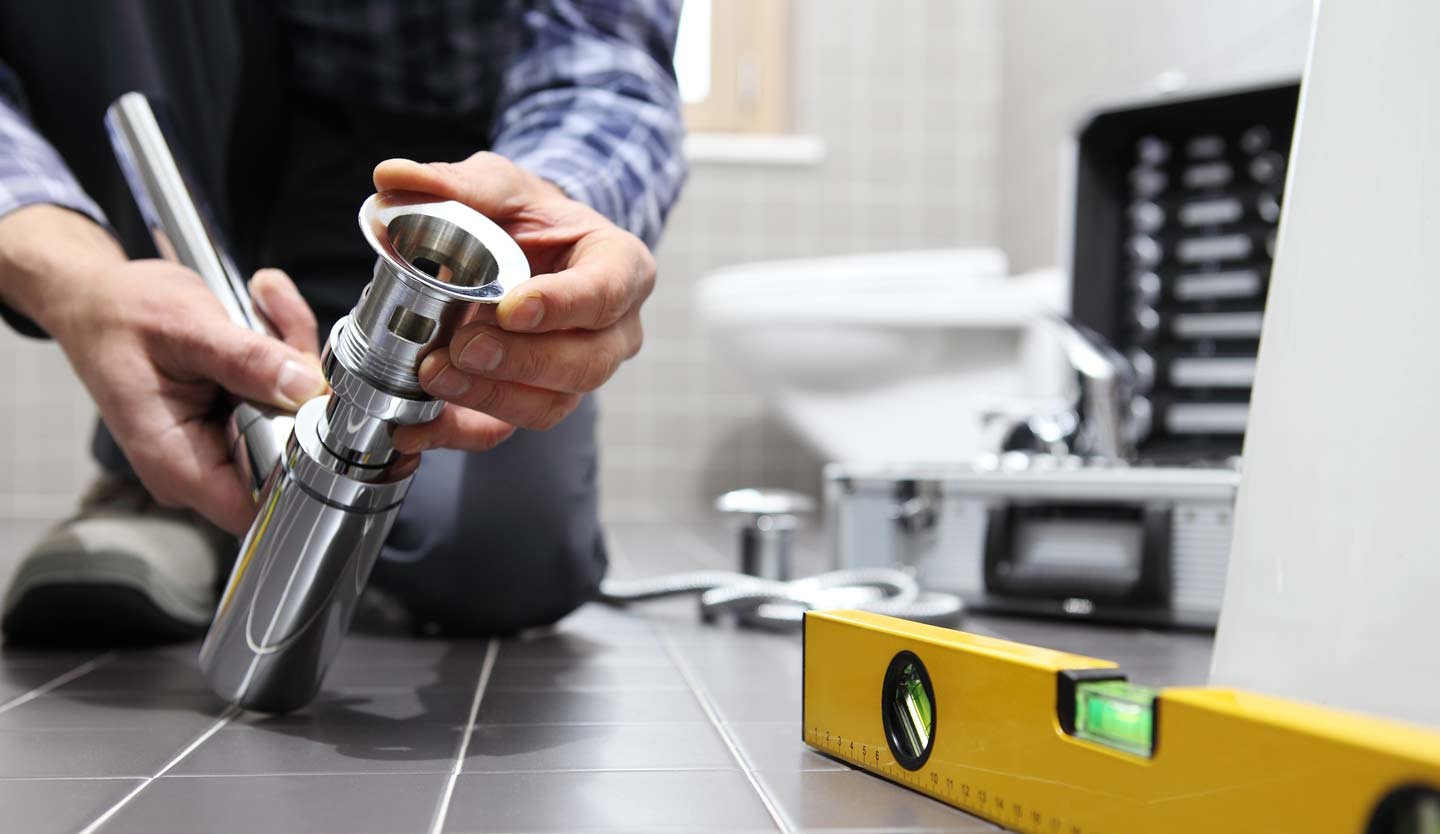
The parts are simple, and knowing them makes it easier to tell a bad pump from a bad install.
A lined pit at the lowest point of the crawl space floor. Groundwater runs into it instead of spreading under the house.
A float rides the water level. Lift it far enough and the pump starts; drop the basin and it stops. Most failures we see are float failures.
It moves the collected water up and out. Size matters: an undersized pump runs constantly and burns out early.
It stops water in the discharge line draining back into the basin. Without it the pump cycles over the same water.
The pipe carrying water out to a point away from the house. Where it ends decides whether the problem is solved or moved.
A pump needs a proper outlet on a circuit that can carry it. We are licensed for the electrical side, so that does not need a second contractor.
Both do the same job. The right one depends on your crawl space, not on a brochure.
The motor sits on a shaft above the water. Easier to service and usually cheaper, but taller and louder. Height is often the problem in a low crawl space.
The unit sits down in the basin. Quieter, handles more volume and grit, and fits where headroom is tight. The common choice under a crawl space.
The storms that fill a basin are the ones that cut the power. A backup unit runs the pump off a battery when the outlet is dead.
We walk the crawl space, find where water collects, and check the grade outside. Sometimes gutters and grading come first, and we say so.
The pit goes in at the low point, lined and level, so the float has room to travel without catching.
Discharge out and away from the foundation, check valve in line, pump on an outlet that can carry it. Both trades, one visit.
We fill the basin, watch the float lift, confirm the pump runs and stops, then check where the water lands outside.
This is where bad installs show up a year later.
A line ending at the corner of the house sends the same water back through the clay into the basin. The pump never rests.
Yards off Ligon Mill Road and Rogers Road often slope back toward the house. The line has to reach ground that carries water away.
Water crossing a walk or driveway becomes ice in a winter freeze snap. We route around where people walk.
Groundwater does not belong in a sanitary sewer, and on septic it will overwhelm the field. The discharge gets its own pipe.
On tighter lots in Heritage and Traditions, an outlet aimed at the property line makes your water somebody else’s problem.
An open pipe end fills with mulch, leaves and mud. A blocked discharge makes a working pump useless.
Standing water is a moisture problem, not just a plumbing problem. Water under a house raises humidity through the whole floor system, and the EPA ties indoor mold growth directly to moisture that is never brought under control. Getting the water out is the first step, and it is the one a sump pump handles.
A pump that fails quietly is the expensive kind. These are the tells.
Either the pump is undersized for the water coming in, or the discharge dumps close enough that the same water keeps returning.
Short bursts every few seconds mean a stuck float, a failed check valve, or a basin too small for the pump.
The motor has power but the impeller is jammed or the line is blocked. That sound is the pump failing.
Grit wears the impeller and jams floats. Sediment shortens the life of any pump put in the basin.
Pump plugged in, crawl space still wet. Check the breaker, then the float, then where the discharge ends.
A pump idle through several storms is either unnecessary or not working. Test it before storm season, not during one.
If the water turns out to be a leaking supply line rather than groundwater, our plumbing repair services cover it. If it is rising now, start with 24/7 emergency service.
Twice a year, and before the wet stretches, is enough for most homes.
Pour water in until the float lifts. The pump should start, clear the basin and stop on its own.
Scoop out silt, gravel and debris. That is what jams impellers and holds floats down on a dirt floor.
Check the outlet end for mulch, leaves and mud, especially after yard work or heavy pollen.
Confirm the pump is plugged in, the breaker is on, and nothing else was added to that circuit.
Pumps wear out. Replacing one on a dry Tuesday beats replacing it during a storm with water over the vapor barrier.
We run discounts for veterans and active duty military, first responders, teachers and seniors. Current details are on the specials page.

White’s Plumbing & Electrical, LLC
730 Park Ave, Youngsville, NC 27596
Service and estimates: (919) 435-0736
24/7 emergency: (919) 316-0025
We cover Wake Forest daily, along with Youngsville, Rolesville, Franklinton, Louisburg, Zebulon, Knightdale and north Raleigh. Downtown Wake Forest is about fifteen minutes down US 1, so a crawl space off NC 98 or out toward Falls Lake is a short trip.
Often yes. Most homes around Wake Forest sit on crawl spaces over red clay, and clay sheds water slowly, so heavy rain leaves standing water under the floor with nowhere to drain. A sump basin gives that water a low point to collect in and a pump to send it back outside.
The basin is a lined pit set at the low point of the crawl space or basement floor. Groundwater collects there instead of spreading across the ground. When the water reaches a set level, a float switch starts the pump and it pushes the water out through a discharge line, away from the house.
A pedestal pump keeps the motor on a shaft above the water, so it is easier to service and usually cheaper. A submersible sits down in the basin, runs quieter, and handles more water and more grit. In a tight crawl space with limited headroom, a submersible is usually the practical choice.
Away from the house, and far enough that the water does not run straight back to the foundation. A line that dumps at the corner of the house recycles the same water into the basin. We route it to a point where the grade carries water off, and clear of walkways where it would freeze.
Watch for a pump that runs constantly, one that cycles on and off every few seconds, or one that hums without moving any water. Rust or silt in the basin, a float that sticks, and water standing in the crawl space while the pump is plugged in are all signs.
It is worth considering, because the storms that fill a basin are the same storms that knock the power out. A backup unit runs the pump off a battery when the outlet is dead. We can price it with the install or add it later.
Test it at least twice a year, and before the wet stretches in spring and late summer. Pour a bucket of water into the basin and confirm the float lifts, the pump runs, and the water leaves through the discharge line. Clear silt and gravel out while you are there.
Tell us what the crawl space looks like after a storm and we will tell you what it takes to fix.
White’s Plumbing & Electrical, LLC · 730 Park Ave, Youngsville, NC 27596 · 24/7 emergency (919) 316-0025