
Humming, silent or dripping under the sink — we clear the jams, trace the power and install new units, plumbing and wiring both.
Garbage disposal repair in Wake Forest starts with one question: what is the unit actually doing? A disposal that hums, one that sits silent and one that drips are three different faults with three different fixes, and only one of them usually means a new unit. We work out which you have before anything is quoted.
Most of these calls come from the newer subdivisions off Rogers Road and Ligon Mill Road, where the builder-grade unit under the sink is still the original. Holiday cooking is the spike: a Thanksgiving kitchen in Heritage or Holding Village pushes more peel and celery through a disposal in an afternoon than it sees in a month.
Our shop is on Park Avenue in Youngsville, about fifteen minutes up US 1 from downtown Wake Forest. If water is running from under the sink and you cannot stop it, call the emergency line at (919) 316-0025.
The first three cover most Wake Forest calls. Work through them and you will know what you are dealing with.
That is a jam. The motor is drawing power with the grinding plate locked by something wedged between the impellers and the grind ring. Switch it off. Leaving it humming is how motors burn out.
Silence is power, not grinding. Press the red reset button on the underside of the unit first, because an overload trip kills it dead until that is pushed. After that it is the breaker, the switch or the wiring.
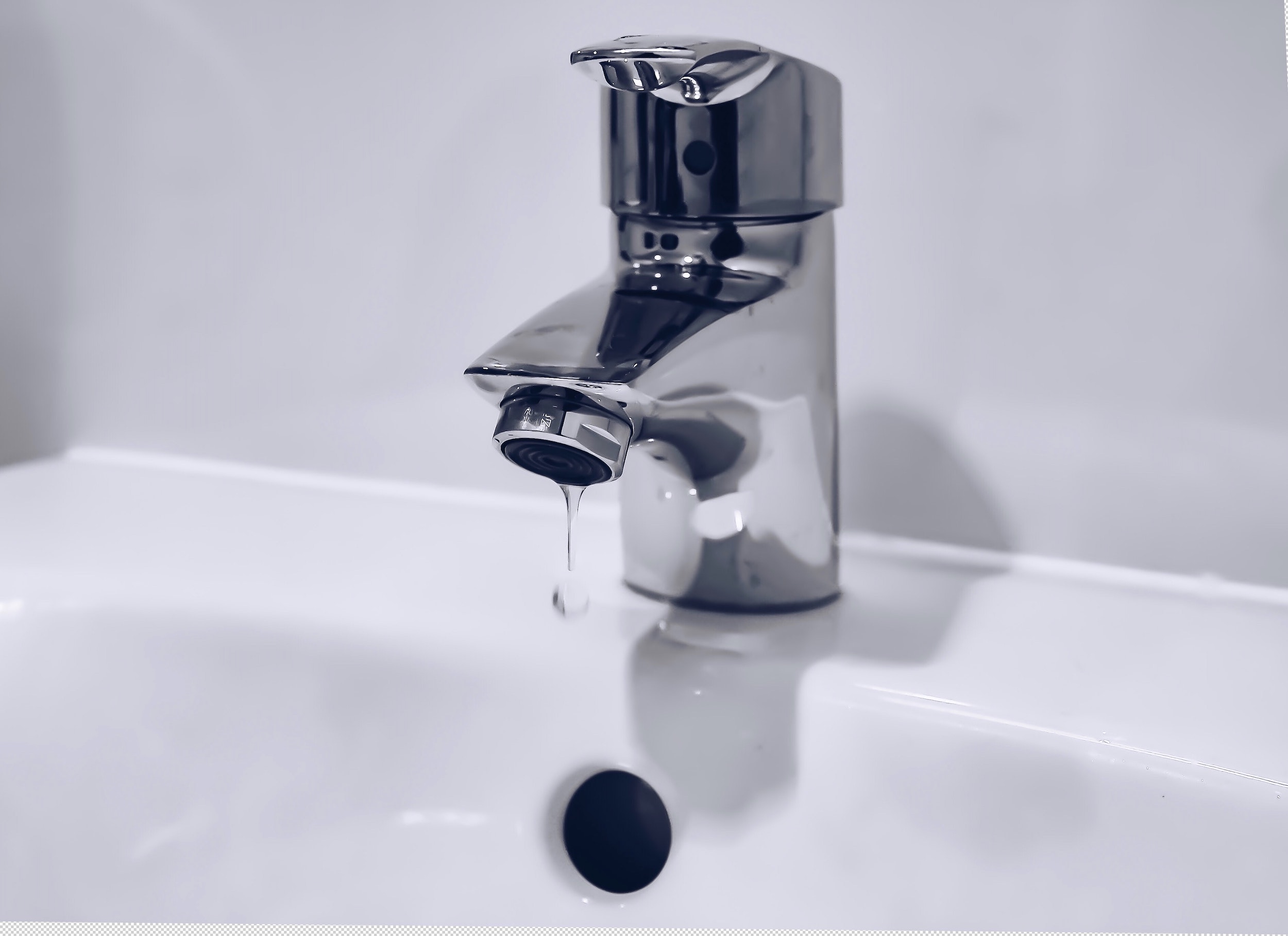
Where it drips tells you what it is. The top is the sink flange seal. The side is a drain or dishwasher hose connection. The bottom is the housing itself, and that one is not repairable.
If the unit sounds healthy and the sink still backs up, the problem is past the disposal in the trap or the branch line. Grease is the usual cause. That is drain cleaning work, not disposal work.
Put a dry paper towel under the unit and run water to see which of the three is wet. That is most of the answer before we arrive.
Water seeping where the unit meets the sink basin means the putty or the mounting assembly has given up. A reseal, the most common of the three, and the unit itself is fine.
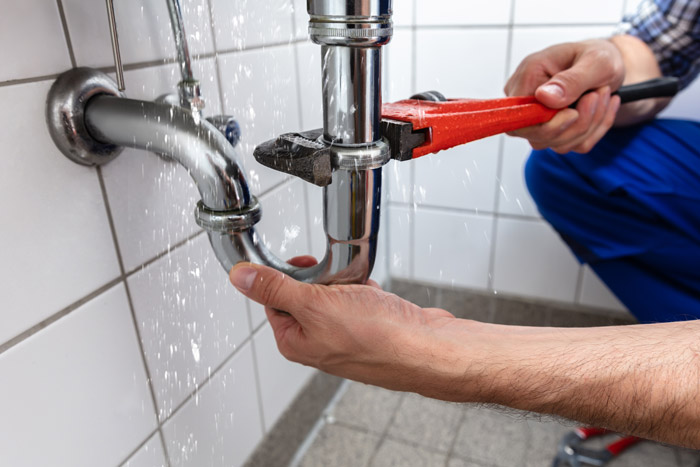
The discharge tube and the dishwasher hose attach to the side with gaskets and clamps, and those flatten over time. Usually a gasket or a clamp.
A drip from the base means an internal seal has failed and water is passing through the motor section. No repair for that, and running it wet is an electrical risk.
Cabinet already soaked? Water sitting in a sink base spreads into the cabinet floor and the wall behind it before anyone notices. Shut the supply stops under the sink, then start with our emergency leak services page.
A disposal is a grinder, not a bin. Almost every jam we clear in Wake Forest traces back to one of these.
Celery strings, corn husks, artichoke leaves and onion skins do not break up. They wrap around the impellers and bind the plate solid.
Grease goes down warm, then cools and sets in the line past the unit where grinding never reaches it. The disposal gets blamed for a blockage it did not cause.
Harder than the unit is built for. A peach pit does not pass, and the damage to the grind ring is permanent.
They grind fine, then pack into a dense wet sludge in the trap. Sinks with a daily coffee habit block below the unit, not in it.
Pasta, rice and potato peel swell with water and turn to paste. A colander of it after a holiday dinner in Jones Dairy Farm fills our week afterwards.
Bottle caps, teaspoons, twist ties, the little screws off a dish rack. Nothing to do with food, and behind most rattling calls.
Cold water throughout and afterward helps most, because cold keeps fats solid enough to carry out of the line instead of coating it. The EPA has guidance on keeping food waste out of the drain entirely.
Most disposals we look at in Wake Forest are worth keeping. A jam, a reseal, a perished gasket, a tripped reset or a dead wall switch are all parts and labour on a unit that still works. These are the ones that are not.
A drip from the bottom is a failed internal seal. Water is inside the motor section, and no gasket on the outside changes that.
A unit that will not restart after the reset, or hums with nothing jammed in it, has burnt its motor. Usually a jam left running.
A disposal that binds on ordinary kitchen scraps has worn impellers or a corroded grind ring. Clearing it again buys weeks, not years.
A new unit is more than unscrewing the old one. This is the order of work in a typical Wake Forest kitchen.
The circuit goes off at the breaker before anything is touched, and the supply stops under the sink get closed. Older kitchens near White Street often have a seized stop, and we replace it.
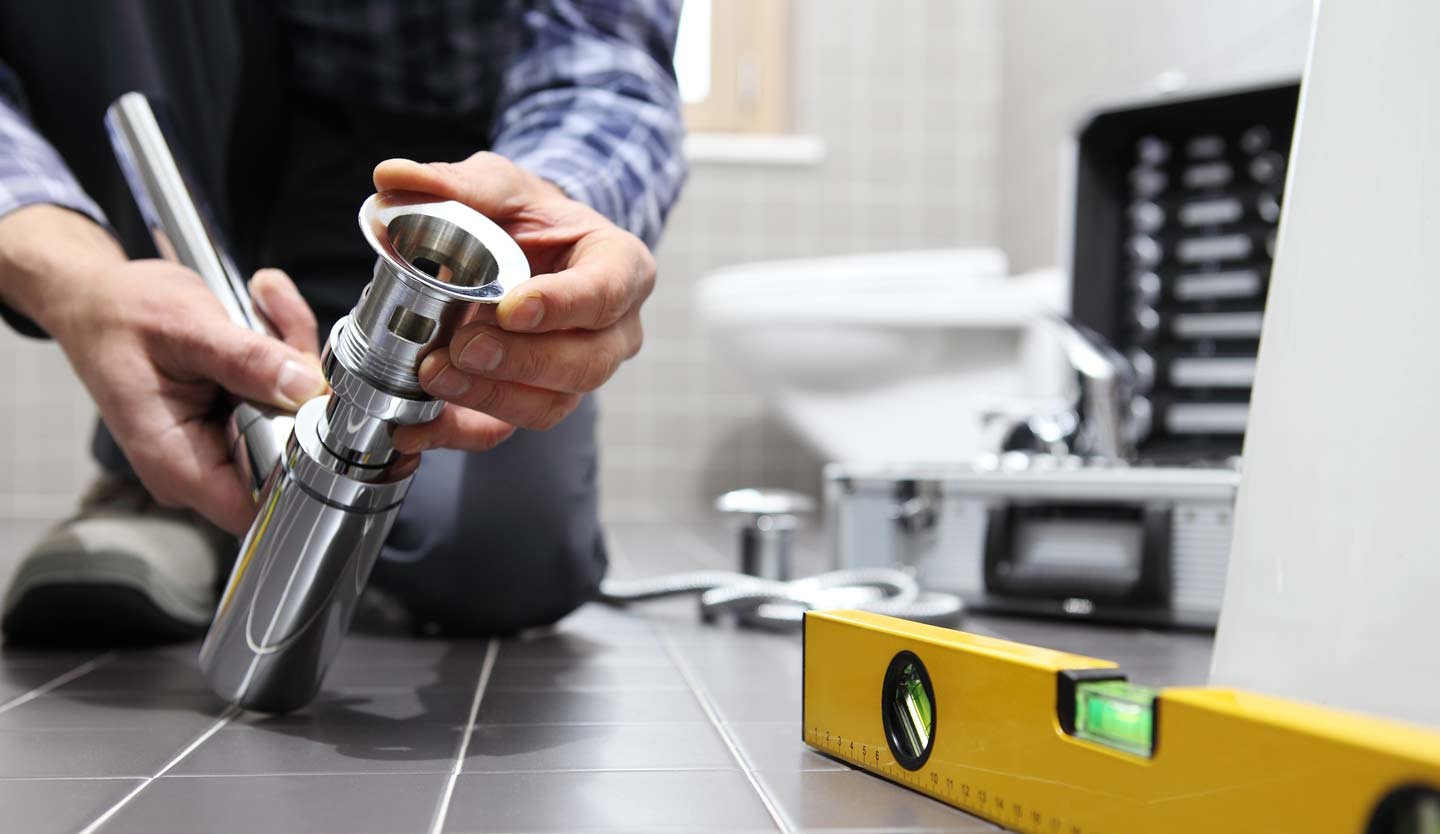
With the unit down, we look at the sink flange and the mounting assembly. A new unit on a different mount gets sorted here, and that is the difference between a one hour job and a three hour one.
Fresh putty or gasket at the flange, the mounting ring tightened evenly, the unit hung and locked in. An uneven mount is where the last flange drip came from.
New disposals ship with the dishwasher inlet sealed by a knockout plug. If the dishwasher drains into the unit and that plug is left in, it backs up on its first cycle. The most commonly missed step on a DIY installation.
The discharge tube has to meet the trap at the right height and fall. Units differ, so the tailpiece and trap arm need cutting rather than forcing.
The unit is connected to its switched circuit, grounded, and tested under running water while we watch all three leak points. We run the dishwasher cycle too if one is connected.
The unit runs off a dedicated circuit controlled by a wall switch or an air switch at the sink. Most Wake Forest kitchens already have it. A first installation needs it run.
We are licensed for plumbing and electrical, so a dead switch or a circuit that needs work does not stall the job. Our electrical services page covers that side.
On a remodel or a new build, the disposal circuit and the drain rough-in get planned together. See our new construction plumbing work.
A jam is a jam. You will not be quoted a new unit for something stuck between the impellers.
Plenty of these calls turn out to be the drain line. We check the trap and the branch before blaming the disposal.
You are calling a shop in Youngsville that works Wake Forest, Rolesville, Franklinton, Louisburg, Zebulon, Knightdale and north Raleigh.
A cramped sink base off Forestville Road and a slab build near Falls of Neuse Road are different jobs under the counter.
We offer $50 off any plumbing repair, or 10% off for veterans and active duty military. Current amounts are on the specials page.
Water pouring into a sink cabinet at 11 PM does not wait for business hours, and neither does the emergency line at (919) 316-0025.
White’s Plumbing & Electrical, LLC
730 Park Ave, Youngsville, NC 27596
Service and estimates: (919) 435-0736
24/7 emergency: (919) 316-0025
We cover Wake Forest and the towns around it daily, including Youngsville, Rolesville, Franklinton, Louisburg, Zebulon, Knightdale and north Raleigh. Downtown Wake Forest is roughly a fifteen minute run down US 1 from the shop, and NC 98 puts the east side of town inside the same window.
That hum is the motor drawing power with the grinding plate locked, which means something is jammed between the impellers and the grind ring. Turn the switch off first, because leaving it humming is how motors burn out. The unit is usually fine once the obstruction is out.
Silence points at power rather than the grinding chamber. Start with the red reset button on the underside of the unit, because a disposal that tripped on overload will do nothing until it is pressed. After that, the breaker, the wall switch and the wiring.
There are three places it leaks from. The top is the sink flange, where the putty or the mounting hardware has let go, and that is a reseal. The side is a drain or dishwasher hose connection, usually a gasket or a clamp. The bottom is the housing, which means an internal seal has failed. A bottom leak is a replacement, not a repair.
Grease and cooking oil are the worst, because they go down warm, cool in the line past the unit and build up where nobody can see them. After that, fibrous vegetable waste like celery, corn husks and onion skins, which wrap around the impellers. Then bones, fruit pits and coffee grounds.
Clearing a jam, replacing a gasket, resealing the flange or tracing a power fault are all worth doing on a sound unit. Replace it when the housing leaks from the bottom, when the motor is burnt and will not reset, or when it jams repeatedly on normal kitchen use.
Most installations are a single visit of an hour or two. Swapping a unit for a similar one is quick. It takes longer when the mounting assembly has to change, when the drain plumbing needs reworking, or when the circuit and switch need work too.
A disposal needs its own switched circuit, so somebody has to handle the wiring, the switch and the connection at the unit. Most Wake Forest homes already have that. If yours does not, we do that side in house because we are licensed for both trades.
Tell us whether it hums, sits silent or drips, and we will tell you what it usually means.
White’s Plumbing & Electrical, LLC · 730 Park Ave, Youngsville, NC 27596 · 24/7 emergency (919) 316-0025